Half-Breeds
Seraphin
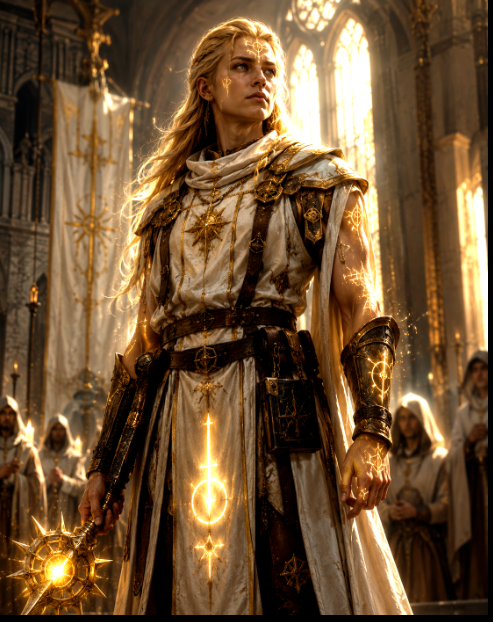
Born of human women and begot by angels of Supremos’ army, the Seraphin are not viewed as half-breeds the way Tieflings and Half-Elves are, but as blessings of their Heavenly King. Raised primarily in monasteries, their mothers often elevated to the role of Priestess, the Seraphin are reared in service to the Church. Their talents and strengths are analyzed by priests, and those potentials are nurtured and honed to forge them into weapons to be used against the enemies of Supremos.
The appearance of the Seraphin in Lythria is a recent phenomenon, with the first batch just now reaching adulthood, making them a fresh beacon in a world of terrors. What ripples will these shiny pebbles leave upon the realm? Are they truly the heroes and saviors the Church proclaims them to be, or will they prove to be just as unpredictable as their demonic cousins, the Tieflings?
Common Seraphin Perspectives
They have been taught from birth who the enemies of Supremos are, but the order tends to vary from monastery to monastery. Of course, like all, Seraphin also possess free will and may view things differently than they were instructed.
Primary Enemies — Depravos, Necromia, Merasyna, Fiends (Liches, Lycanthropes & Vampires) and Minions (Cultists, undead, diseased beasts)
Secondary Enemies — Goblins, those who serve Depravos, Orcs, Tieflings, Fae, Changelings, pirates, outlaws, etc.
Tieflings
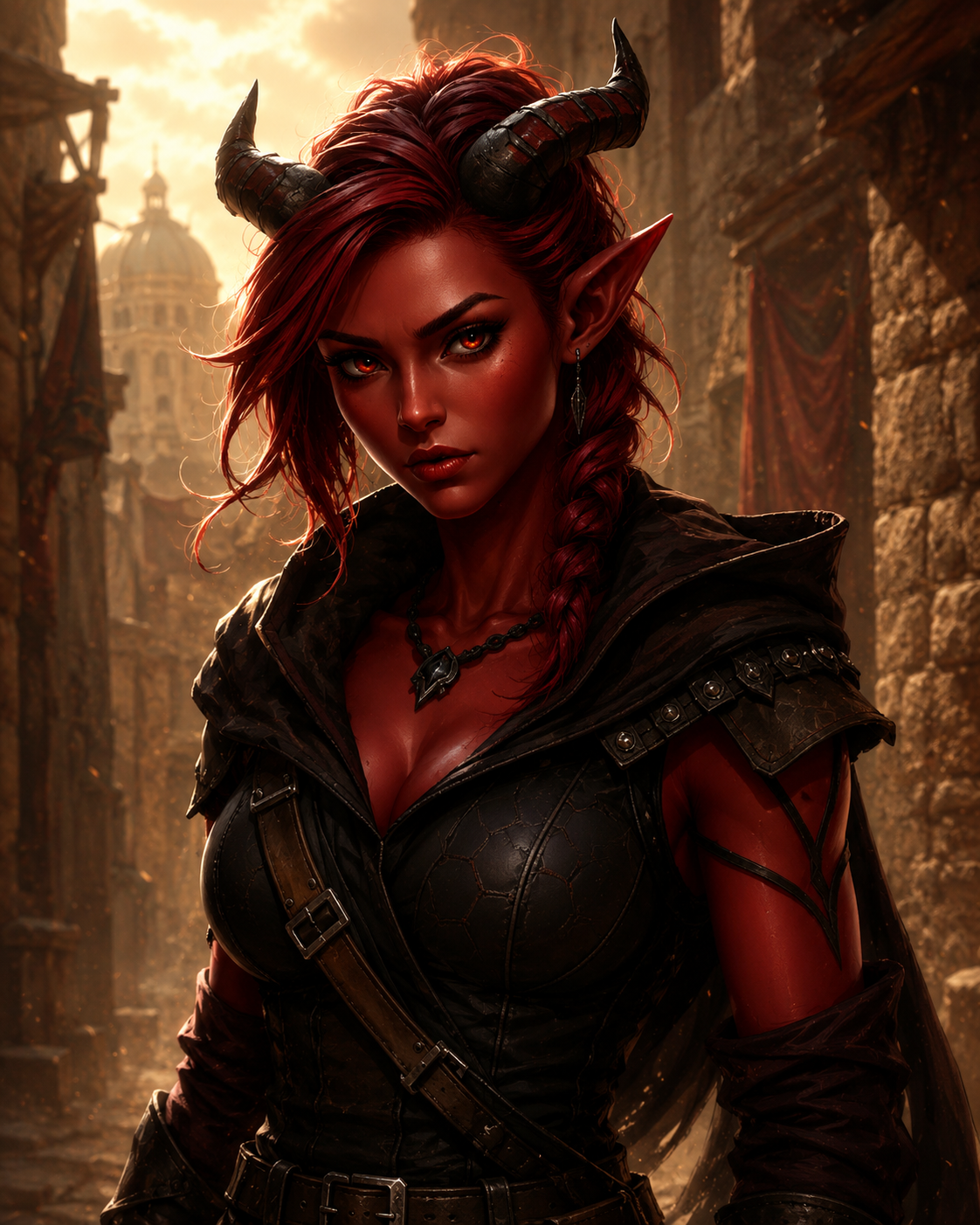
Born of human women and begot by demons of Depravos, tieflings are widely viewed as a curse upon humanity, a stain upon its collective soul. The mothers of such children are chastised and shipped away in chains to remote nunneries, where they spend the rest of their lives in service to the Church as slaves. Their offspring are often subjected to cruel treatment in misguided attempts to drive the demon from their blood. Yet, on rare occasions, both mother and child escape this grim fate.
No tiefling has ever claimed to have met the demon responsible for their birth, and many instead refer to Depravos as their father, though seldom with affection. A rare few embrace the Church’s doctrine with fervent devotion, rising to become Justicars who forge their grief and abandonment into a cold, disciplined fury against the demons that created and then forsook them. Others take pride in their infernal heritage and devote themselves as priests of Depravos, believing their blood marks them for a greater purpose. Most tieflings, however, want no part in the eternal struggle between Depravos and Supremos. They seek only to live in peace, define their own destinies, and pursue personal fulfillment, a simple desire too often denied by the prejudices of others.
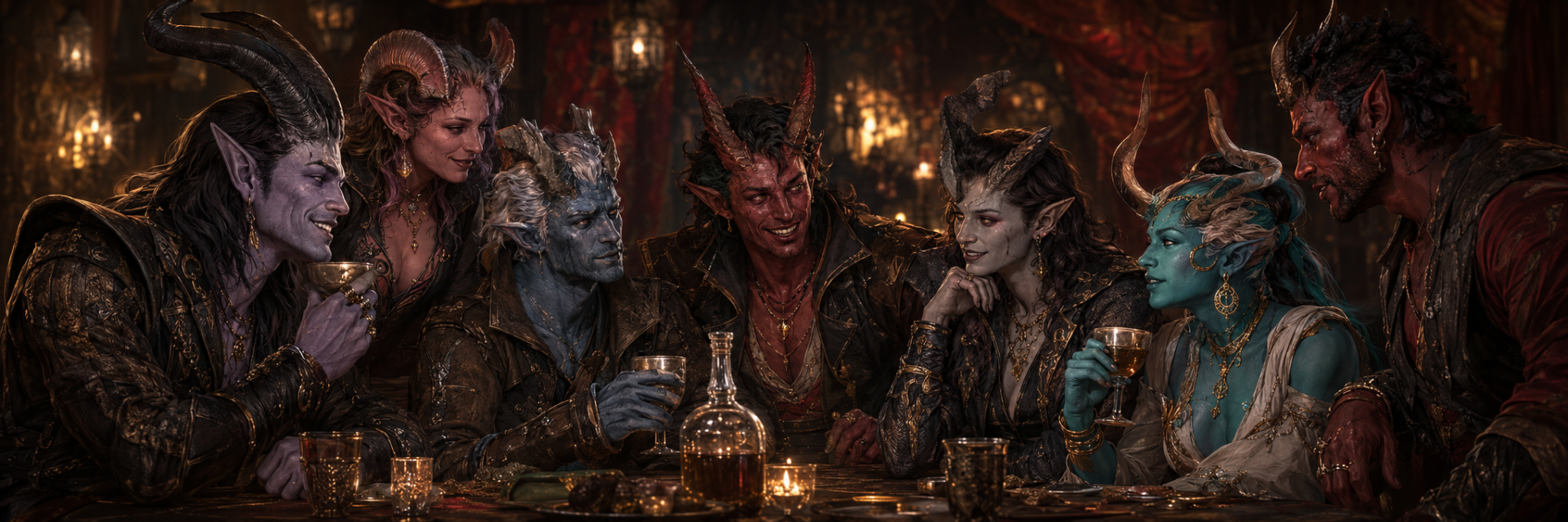
Despite being infertile, tieflings are far from rare. Nearly every settlement sees at least one tiefling birth each year. The Church proclaims this as evidence of a coordinated effort by demonic forces to corrupt the souls of humanity. As a result, these unfortunate outcasts are shunned by most societies and forced either to scrape out a living on the fringes or submit to the lifetime of penance the Church prescribes. Some find a measure of acceptance among orc tribes, though their lack of green blood often relegates them to second-class status alongside goblins. Perhaps the luckiest are those who find a place among the pirates, where they may be treated as equals and even rise to captain ships of their own.
Tieflings tend to gravitate toward alchemy and magic, perhaps due to their affinity with the Infernal tongue, which they share with goblins. Many are also capable warriors, soldiers, gladiators, and mercenaries. Organizations such as The Syndicate and the League of Cartographers employ many tieflings as guides, explorers, and caravaneers.
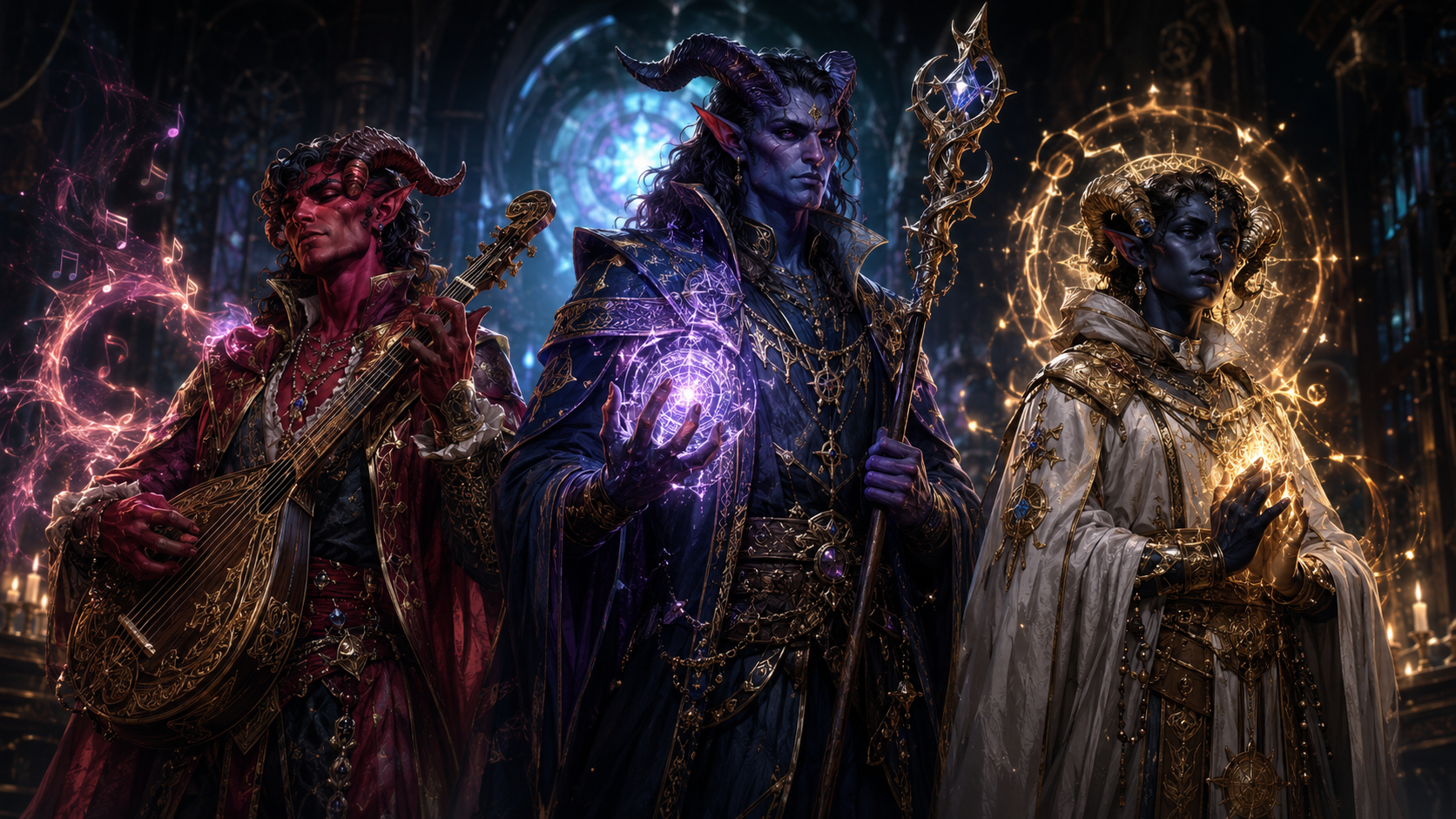
Because of their tumultuous upbringings, tieflings defy easy categorization in their views on race, gender, slavery, and other social issues. Some embrace slavery as a privilege they believe they are owed after being denied so much. Others reject it entirely, viewing such bondage as part of the will of Supremos. Some even willingly place themselves in chains to satisfy a deep need for belonging. The mind of a tiefling can be a maelstrom of intense emotions and contradictory conclusions. If anything can be said with certainty, it is that they are profoundly unpredictable.
Half-Elves
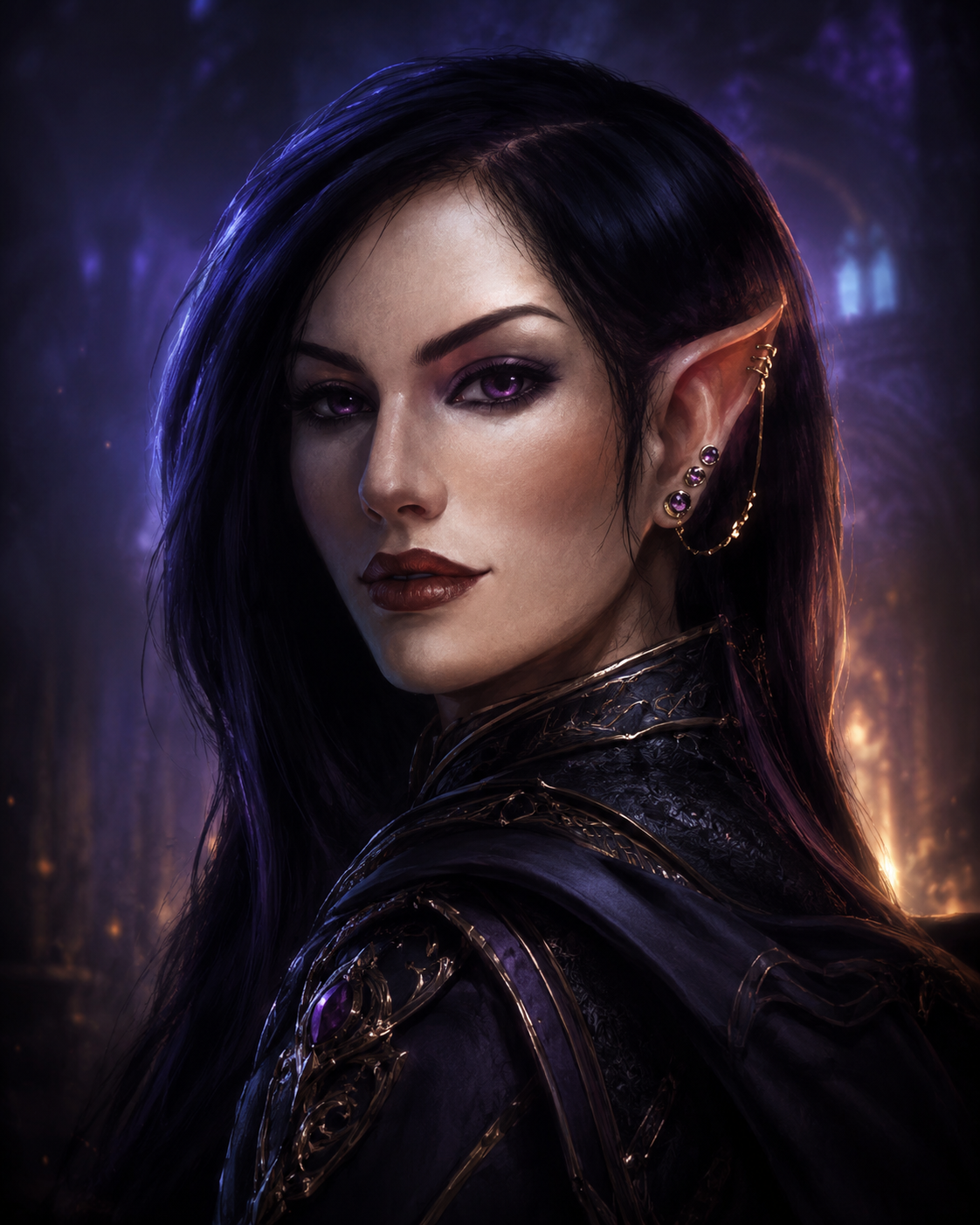
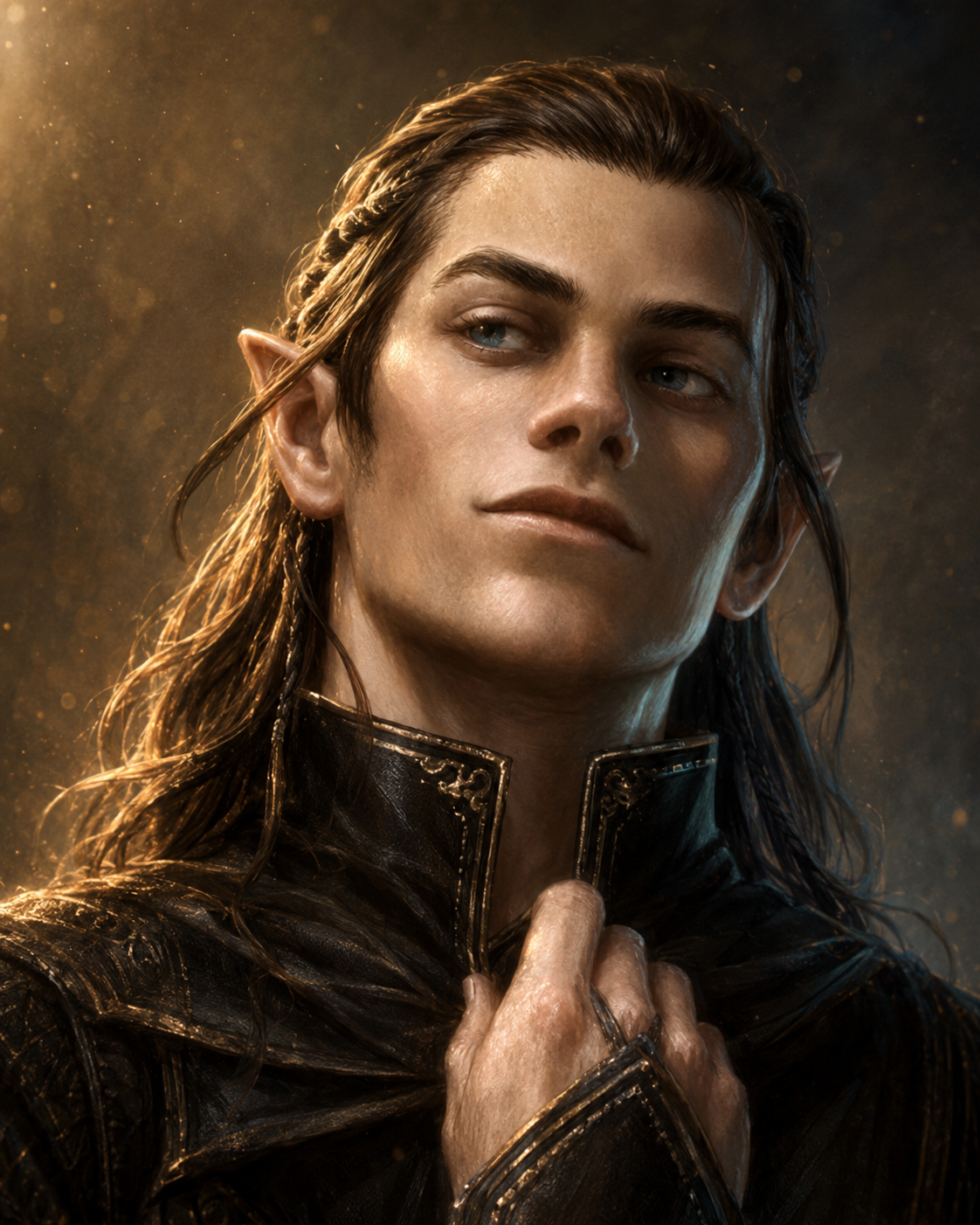
Half-elves are the offspring of humans and elves, standing advantageously between two worlds yet belonging fully to neither. Often regarded with pity by elves and suspicion by humans, they rely on natural charm and quick wits to bridge social divides. Their status as perpetual outsiders grants them a unique freedom of movement, allowing them to form connections with other marginalized peoples such as tieflings and changelings. Through such associations they frequently become intermediaries in trade, information, and uneasy alliances.
Accustomed to uncertainty, many half-elves develop a guarded approach to community and loyalty. Attachments are often tentative, shaped by the expectation that acceptance may prove temporary. This detachment can manifest as adaptability and independence, but also as a tendency toward opportunism.
Half-elves are infertile and therefore spared the fear of having their children stolen by the Fae. The seed of male half-elves is inert and useless to alchemists, yet the tears and violet blood hold great value, much like all others in Lythria.
While individual beliefs vary, many half-elves feel a natural affinity for Vaendrathyr, Prince of Roads, whose wandering path reflects their own uncertain place in society. Even so, devotion among them is often pragmatic rather than fervent, as survival and opportunity tend to take priority.
Because their numbers remain small and their origins highly varied, half-elves do not share a unified cultural outlook toward the other races. Individual temperament and personal experience tend to guide their opinions, which are often formed situationally rather than inherited through tradition.