Humans

Humans are the most prolific of Lythria’s mortal races, comprising nearly half of the realm’s total population. They are also among its oldest inhabitants. With the possible exception of the Dwarves, whose legends claim descent from the ancient Giants, humanity has dwelled in Lythria longer than nearly any other living people.
Because of this, many humans do not merely consider Lythria their homeland. They regard it as their world. Other races are often perceived as guests, intruders, tolerated minorities, or dangerous outsiders occupying lands that rightfully belong to humankind. Some humans grudgingly acknowledge the Dwarves as possible co-inheritors of the realm, provided their ancestral claims are true, but few extend such consideration to anyone else.
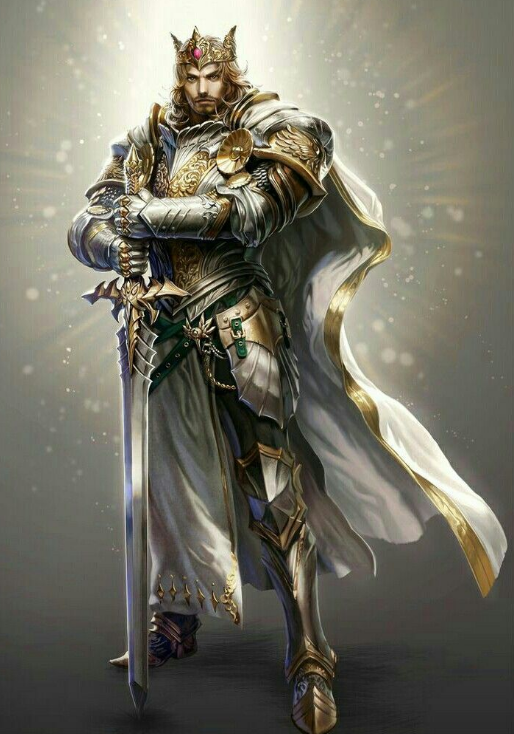
Human culture dominates much of Lythria, particularly through the influence of the Church of Supremos. Supremos is recognized as humanity’s patron deity and Heavenly King, and the Church presents its doctrine not simply as religious law, but as the moral order of the realm itself.
Each human settlement is formally governed by a Baron or Baroness. In practice, however, their authority is carefully monitored and frequently limited by the Church and its Priests. A noble who maintains the favor of the people may enjoy some independence, but those who lack public support often become little more than puppets of the Church.
Among commoners, superstition and suspicion are deeply ingrained. Fear of corruption, undeath, and hidden enemies shapes much of public life. Those who openly hunt and slay Fiends can quickly earn the loyalty of the people, making Fiend-slaying an almost expected duty for ambitious Barons and Baronesses.

True Fiends include Vampires, Liches, and Lycanthropes, along with their Cultists, Undead servants, and other Minions. When no such enemy is readily available, however, fear is often redirected toward Orcs, Goblins, Tieflings, Changelings, and other races viewed as dangerous or unnatural. Such people may be branded as threats to public order and subjected to collars, captivity, or forced control.
The Spoiling Sickness has made humanity especially fearful of death. Human corpses are burned to prevent them from rising as undead, and execution by fire carries both practical and religious significance. Those accused of blasphemy, corruption, witchcraft, or posing an uncontrollable danger may be burned at the stake.
Enslavement is generally preferred to execution. Heathens, criminals, outlaws, and members of distrusted races are often considered more useful alive, provided they can be controlled. Those deemed too dangerous, defiant, or burdensome to contain may instead be condemned to the flames in the name of protecting the faithful.
Despite the brutality of the institution, human law requires slaves to be treated with a prescribed measure of humanity. These standards are established by the Serfdom Authority, which oversees matters of ownership, mistreatment, punishment, and dispute. Every recognized human settlement appoints a Slave Magistrate to investigate reported offenses involving slaves.
The Serfdom Authority and the Church of Supremos frequently work together, presenting slavery as both a lawful institution and a divinely sanctioned necessity. As a result, openly advocating abolition is not merely controversial. It may be treated as blasphemy.
Witchcraft is not universally feared in the same manner as undeath, as magic is commonly practiced under the authority of the Church. Sacred and sanctioned magic is accepted, while unsanctioned magic is viewed with suspicion. A person who employs magic in opposition to Church doctrine, conceals forbidden practices, or appears to draw power from an unacceptable source may be accused of witchcraft and condemned accordingly.

Alternative Humans
Not every human is shaped by this dominant culture. Some communities have lived beyond the Church’s immediate influence or preserved traditions that developed separately from its teachings. These humans may possess entirely different customs, values, religious beliefs, or attitudes toward other races.
Such characters may experience considerable culture shock when they first encounter Church officials or enter a settlement governed by Supremian law. They may be human by blood while remaining culturally foreign to the society that claims to speak for all humankind.
Secret groups also exist within Church-controlled communities. Some quietly reject the authority of the Priests, oppose slavery, shelter condemned peoples, or practice forbidden traditions. They survive by remaining hidden. Open rebellion against the Church carries dire consequences.
Common Human Perspective of the Races
Humans — “Our kind are chosen of Supremos. We are His supreme children. Never forget that.”
Seraphin — “Blessings of Supremos, He has sent us literal Angelborn to help save us from the curses of this land! Revere them as weapons of the Church.”
Dwarves — “Of all the other races, dwarves are the most tolerable. They possess honor and skill. Grumpy and argumentative at times, yes, but good-hearted. Do not be too quick to drive them from your towns, even if they cling to their heathen god.”
High Elves — “The noble high elves rival us in sophistication and etiquette, yet they never speak the whole truth. That alone makes them difficult to trust.”
Wood Elves — “Wardens of the forest. Do not be caught wandering their woodlands unless you are prepared to live out your days in bondage.”
Dark Elves — “Little is known of them, but an elf is an elf. None should be trusted easily, nor taken lightly.”
Half-Elves — “Pitiable half-breeds. Hardly distinguishable from their elven kin, though often better mannered. They are of little consequence. Like mules, they leave no legacy behind them.”
Tieflings — “Demonspawn. Born of grievous sin, they must spend their lives in penance and chains if they are to have any hope of redemption. Their mothers, Supremos forgive them, are forever tainted and rightly exiled to the nunneries.”
Goblins — “Minions of Depravos, their devotion sworn to the enemy of Supremos. A few claim they can be cleansed and redeemed. I say they should be purged from Lythria like the demonic plague they are.”
Orcs — “Vile raiders who clearly serve the demonic cause, as shown by their alliances with goblins and tieflings. They prey upon travelers and poorly defended villages. At least The Syndicate has guaranteed protection of the caravans.”
Changelings — “Wicked impostors left in our children’s cradles to be suckled by our women until their deception is revealed. By then our true sons and daughters are lost to slavery in the Fae realm. They steal our greatest treasures and leave behind creatures scarcely worth the trouble of binding, ever defiant and untrustworthy.”